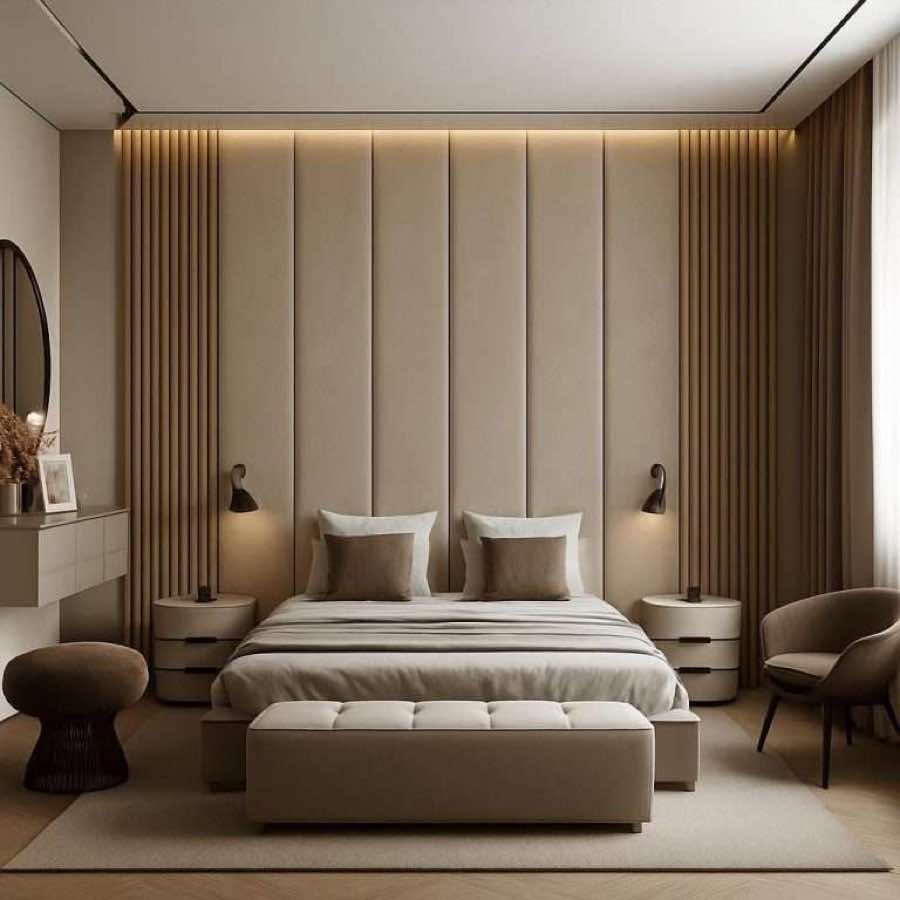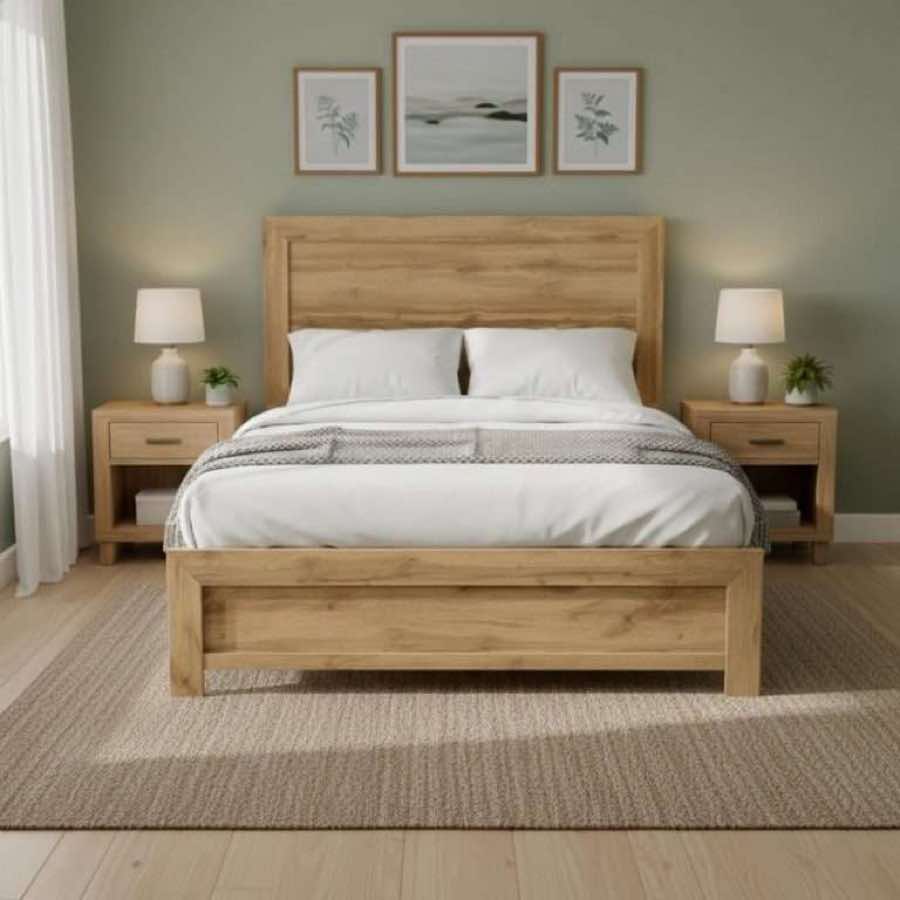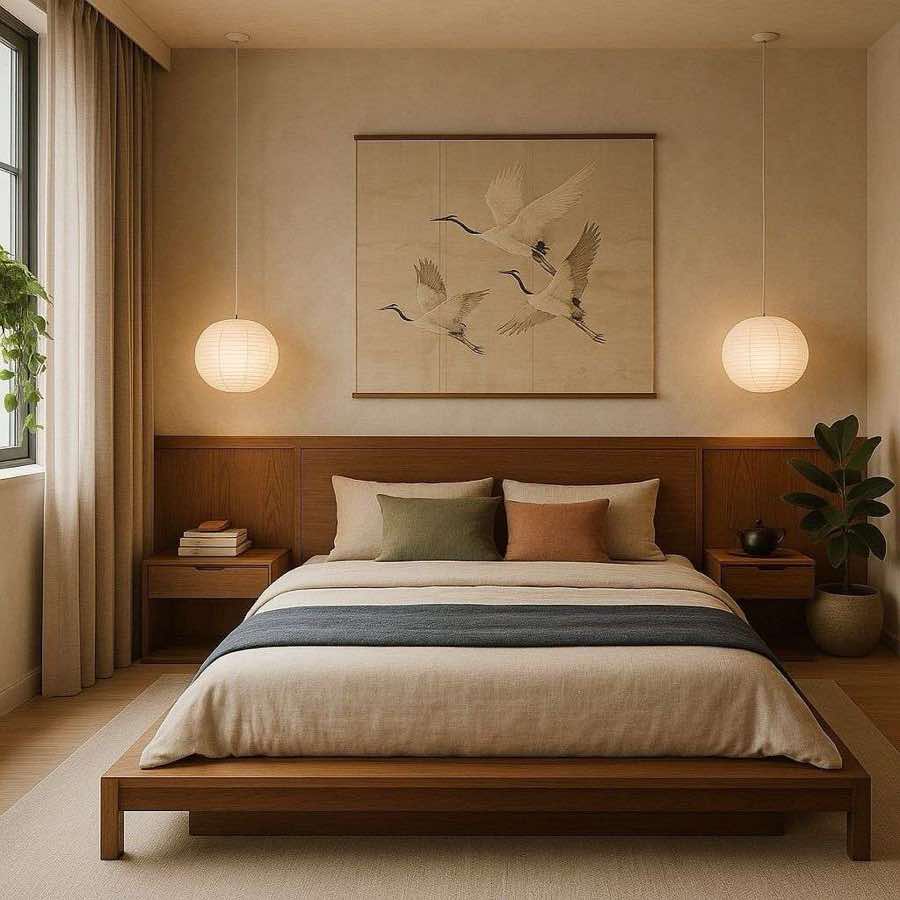
Small Bedroom Layout Ideas: 15 Smart Arrangements for Tight Spaces
Use these small bedroom layout ideas for better bed placement, desk zones, storage furniture, walking paths, and apartment bedroom flow.

Apartment Lift Up / information
Welcome to ApartmentLiftUp Small Bedroom Ideas: Space-Saving Layouts Living in a small bedroom can feel limiting, but with the right approach it can become the most comfortable and stylish
Use these small bedroom layout ideas for better bed placement, desk zones, storage furniture, walking paths, and apartment bedroom flow.
A small bedroom doesn’t have to feel like a storage closet with a mattress in it. With the right tricks,…
In today’s urban living environments, Frames for Small Bedrooms are the norm rather than the exception. Whether you’re in a…
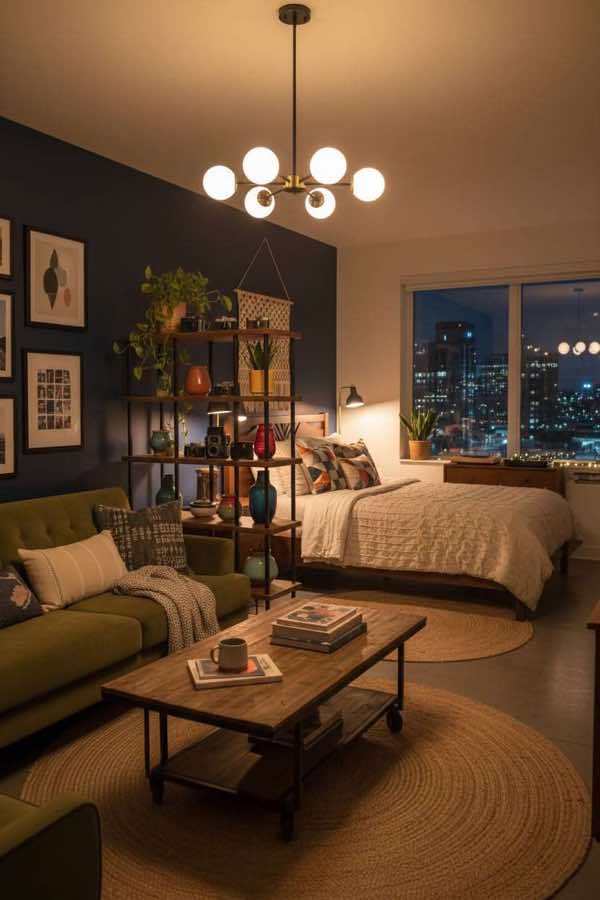
Living in a small bedroom can feel limiting, but with the right approach it can become the most comfortable and stylish room in your apartment. Whether you have a compact 8×10 room, a tiny studio bedroom area, or an awkwardly shaped space, smart small bedroom ideas can completely change how the room looks and feels.
This comprehensive guide covers everything you need to know about designing a small bedroom in 2026. You will discover proven layouts that maximize floor space, the best space-saving furniture that actually works in real apartments, clever storage solutions, beautiful decor styles, renter-friendly updates, and budget-friendly makeovers that deliver impressive results without spending a fortune.
Many apartment dwellers think they need to move to a bigger place to have a relaxing bedroom. The truth is you can create a peaceful, organized, and beautiful sanctuary even in very limited square footage. The secret lies in choosing multifunctional pieces, using vertical space wisely, applying optical illusions, and focusing on smart organization.
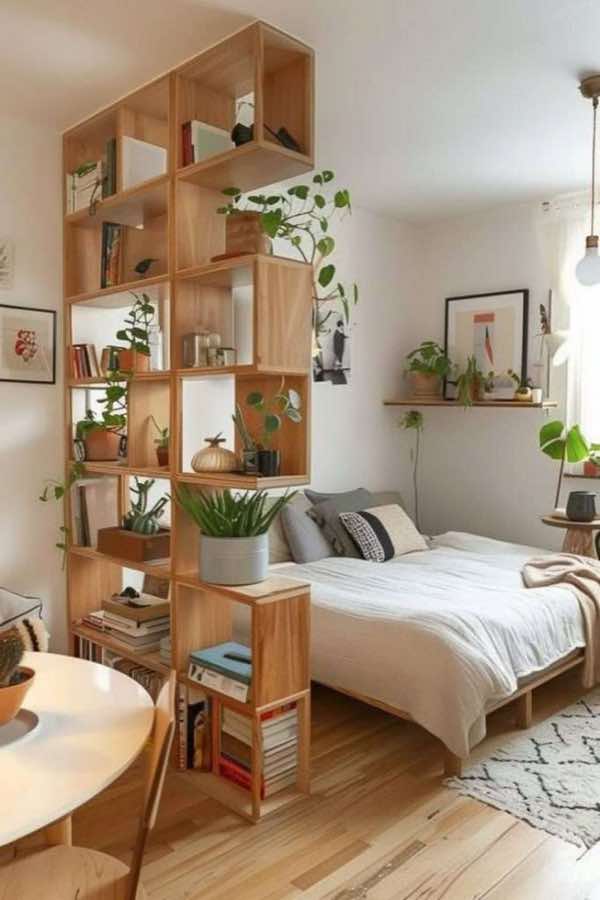
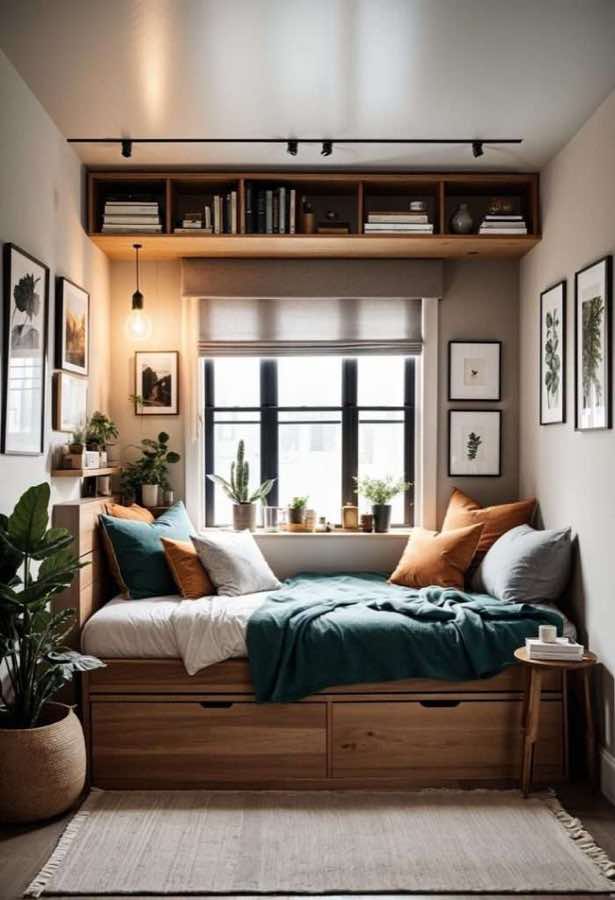
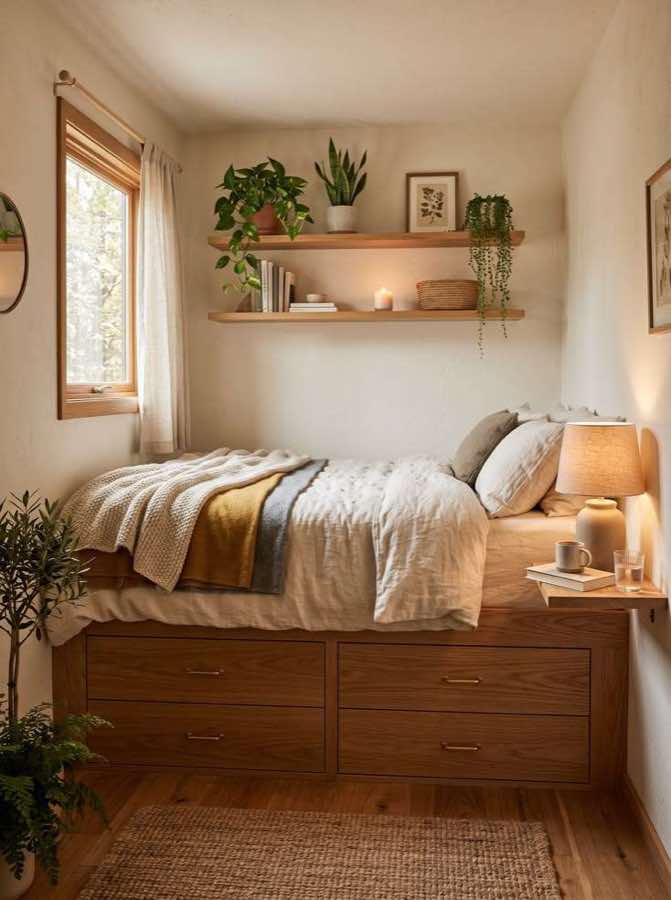
Let’s explore the best small bedroom ideas that thousands of readers have successfully used in their own apartments.
Small bedrooms come with common problems: limited closet space, lack of natural light, awkward room shapes, strict rental rules, and the constant battle against clutter. These issues often make the room feel cramped and stressful instead of restful.
The good news is that modern small bedroom design has many creative solutions. By focusing on scale, light, storage, and intentional styling, you can make a small bedroom feel significantly larger and more luxurious. The key is to stop treating the room as a box for furniture and start designing it as a personal retreat.
Many people make the mistake of buying whatever fits, without considering flow and function. This guide will help you avoid those mistakes and make confident choices that improve both the look and livability of your bedroom.
You can also check this out Samantha Ware
The layout is the foundation of any successful small bedroom. Getting this right can instantly make the room feel more open and easier to move around in.
One of the most effective layouts is placing the bed against the longest wall. This creates more open floor space on the opposite side and makes the room feel wider. If your room is square, try positioning the bed in the corner. This frees up two full walls for storage, desks, or shelving.
Another popular option is the floating bed layout, where you pull the bed a few inches away from the wall. This small gap creates visual depth and prevents the room from feeling boxed in. For extremely tight spaces, placing the bed under a window can work well, especially if you choose a low-profile headboard that doesn’t block light.
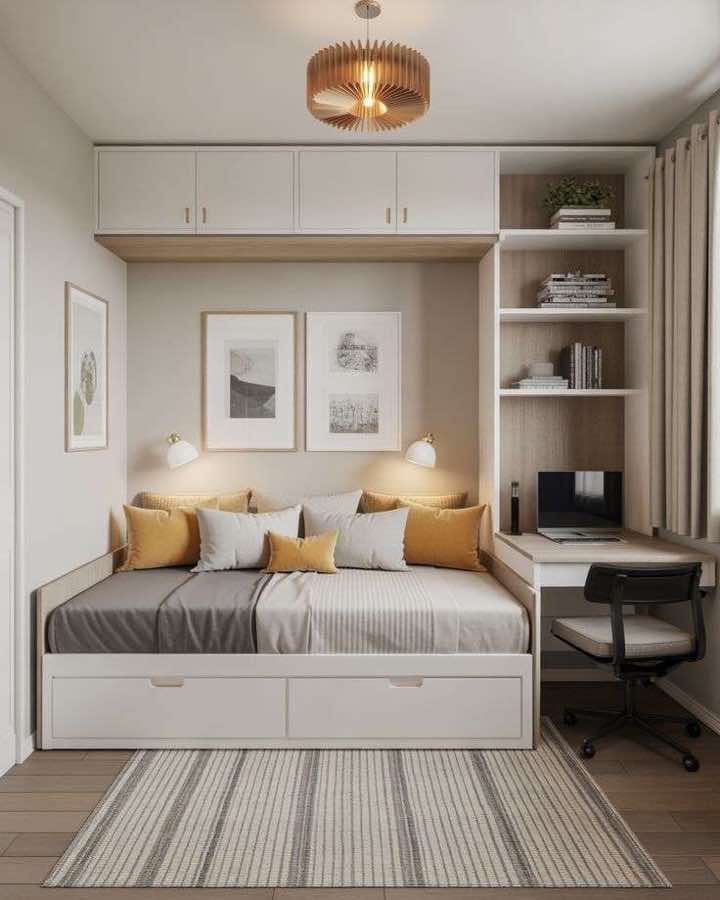
If you work from home or need a small workspace, consider an L-shaped layout with the bed on one side and a compact desk on the other. Many people also successfully use vertical zoning with loft beds or raised platforms, which create usable space underneath for storage or seating.
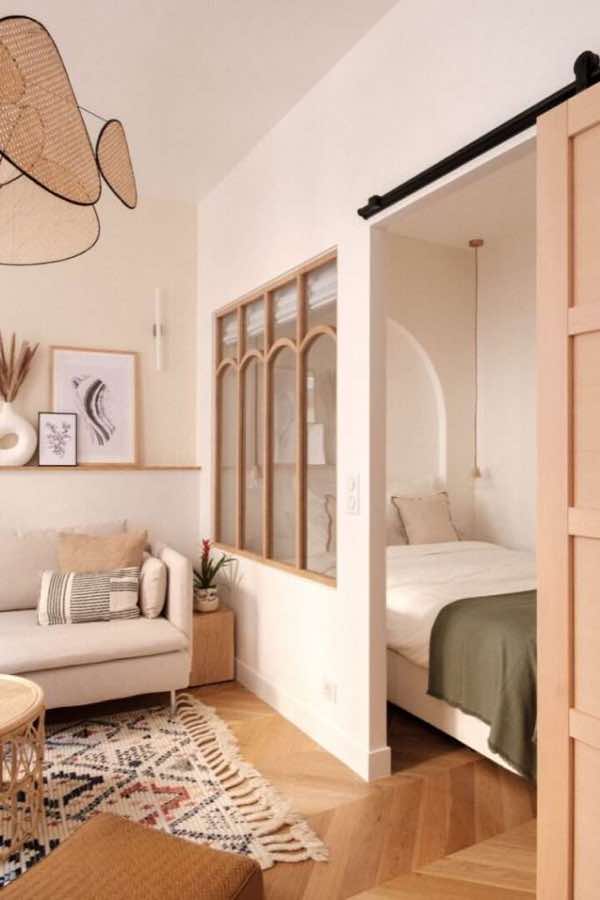
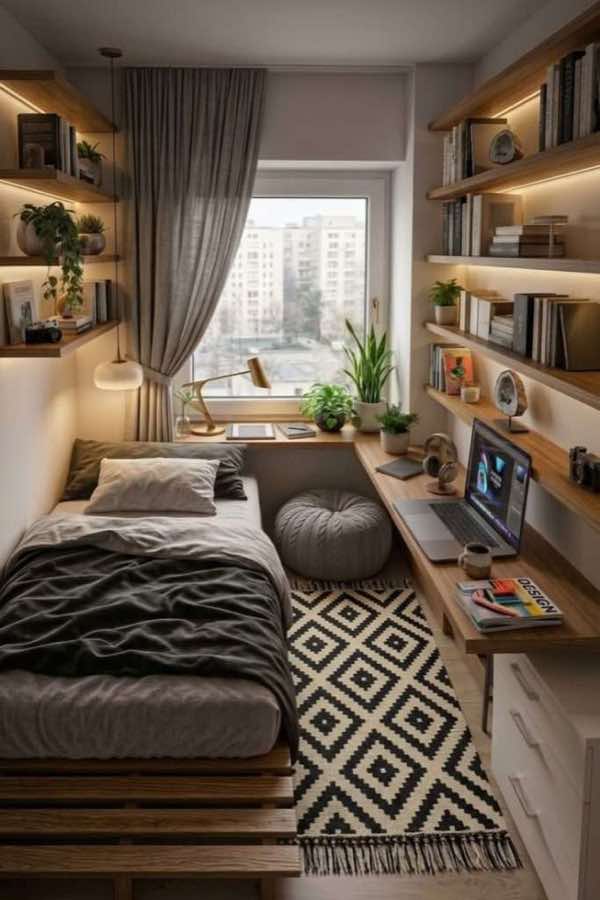
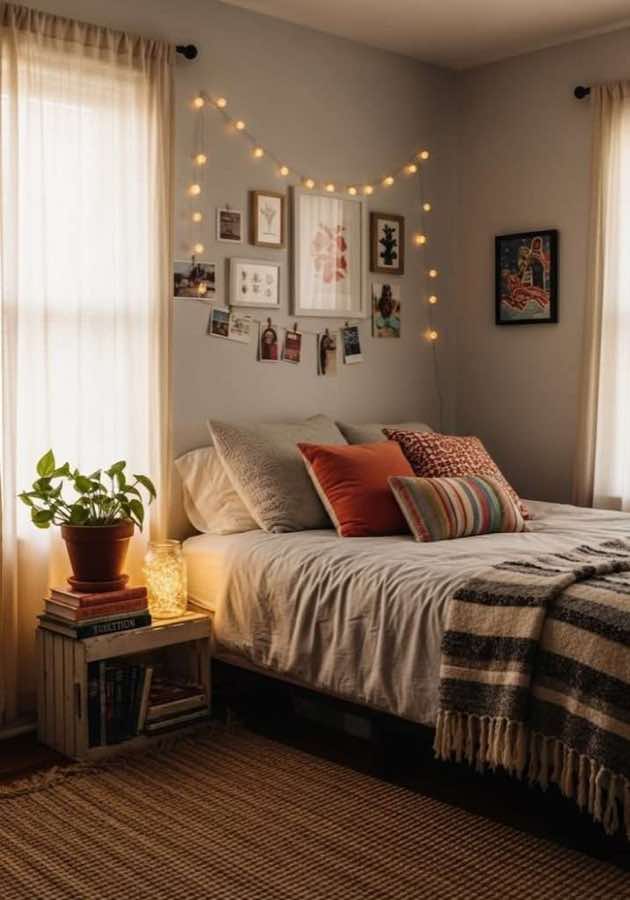
When planning your layout, always leave clear pathways of at least 24 to 30 inches around the bed. This simple rule prevents the room from feeling cramped and improves daily comfort. Use painter’s tape on the floor to test different arrangements before moving heavy furniture.
Furniture selection makes the biggest difference in small bedrooms. The goal is to choose pieces that serve multiple purposes without overwhelming the space.
Start with the bed, which is usually the largest item. Storage beds with hydraulic lift mechanisms or built-in drawers offer excellent hidden storage for seasonal clothes, extra bedding, and rarely used items. Murphy beds are another fantastic option for studio apartments or rooms that need to serve dual purposes. These wall beds fold up during the day, freeing up valuable floor space.
Platform beds with low profiles create a modern, airy feel and pair well with under-bed storage containers. For those who want extra height, adult loft beds or raised beds can turn unused vertical space into a cozy reading nook or workspace below.
Nightstands are often overrated in small rooms. Consider floating wall-mounted shelves or narrow console tables instead. These take up zero floor space while still giving you a place for lamps, books, and chargers. Nesting tables are also excellent because you can tuck them away when not needed.
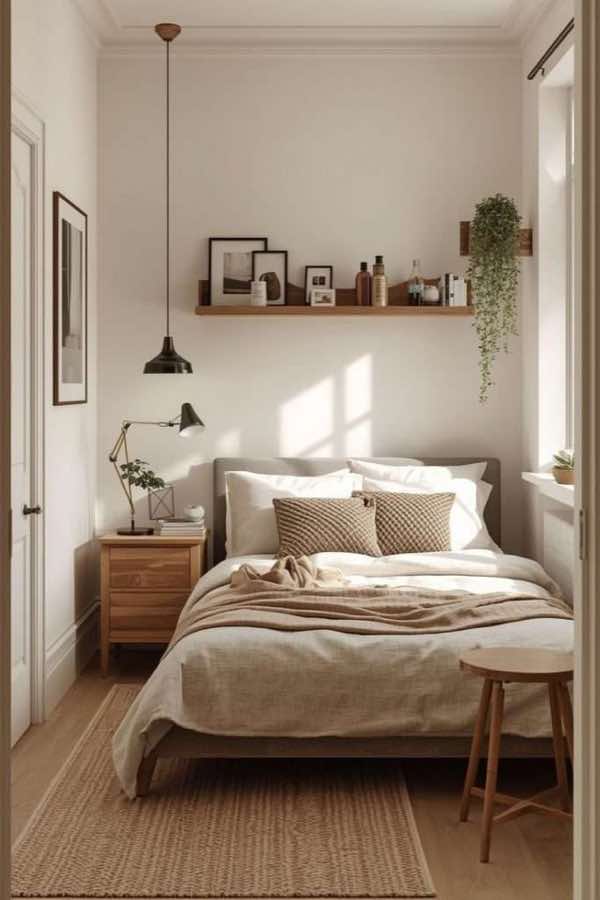
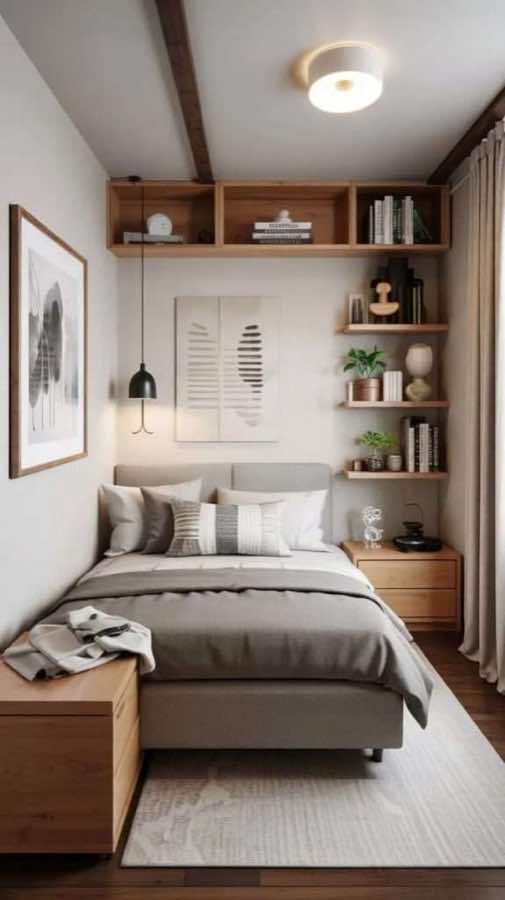
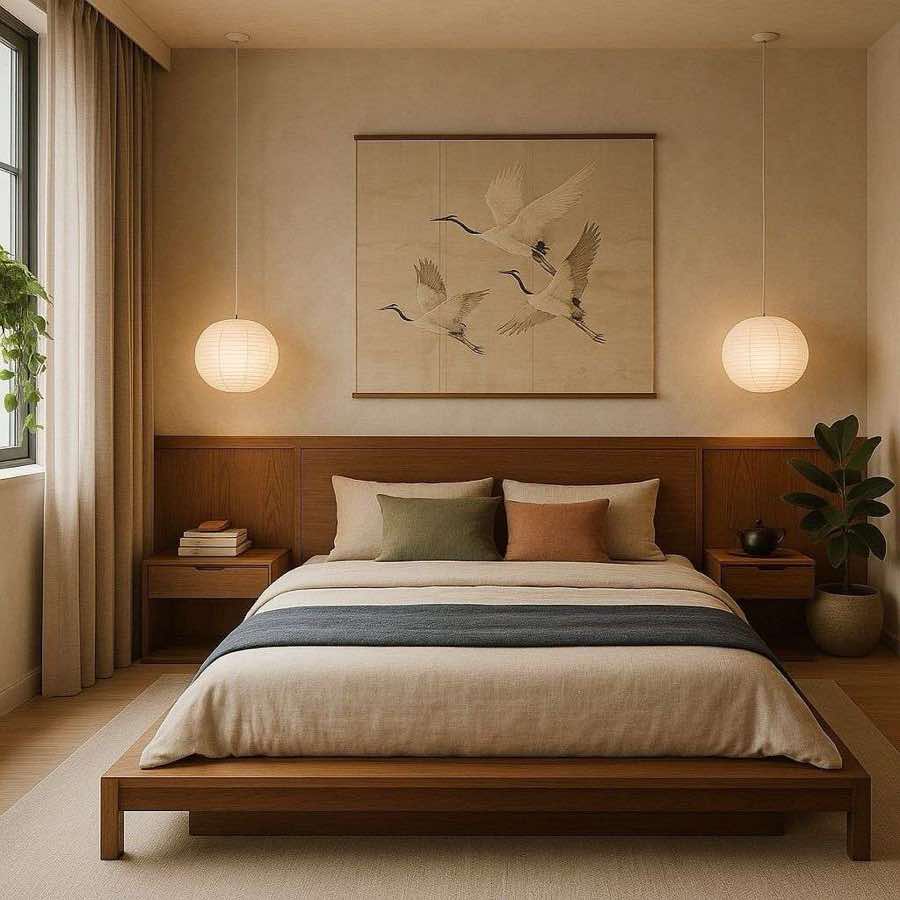
When shopping for dressers, prioritize tall and narrow models over wide, bulky ones. Armoires with mirrors are great because they add storage and reflect light, making the room feel bigger. If closet space is limited, look for beds with built-in storage or add slim rolling carts that can slide under the bed or beside the dresser.
Desks are essential for many people nowadays. Wall-mounted fold-down desks are perfect for small bedrooms because they disappear when not in use. Corner desks and narrow writing tables also work well without taking up much space.
Storage is often the biggest pain point in small bedrooms. The best solutions combine vertical storage, hidden compartments, and smart organization systems.
Vertical storage is your biggest ally. Floor-to-ceiling shelving units, tall bookcases, and wall-mounted cube organizers can hold books, decorative items, and folded clothes while drawing the eye upward. Hanging closet organizers with multiple shelves and hanging rods can double or even triple your closet capacity.
Under-bed storage is often underutilized. Invest in good quality rolling containers, vacuum storage bags, or bed risers that create more clearance for larger bins. Some storage beds offer massive hidden space that can replace an entire dresser.
For closets, switch to slim velvet hangers to save space and keep clothes neat. Add over-the-door organizers for shoes, accessories, and small items. Drawer dividers and shelf inserts help maintain order so everything has its place.
Don’t forget the space above the door or behind the door. Over-the-door hooks and organizers are renter-friendly and incredibly useful. Wall-mounted pegboards or grid panels can also hold jewelry, scarves, and bags without taking floor space.
A capsule wardrobe approach combined with seasonal storage makes maintenance much easier. Keep only the clothes you love and wear regularly in your main closet, and rotate seasonal items into under-bed storage.
Color has a powerful effect on how large or small a bedroom feels. Light, warm neutrals generally work best in small spaces. Soft whites, warm greiges, pale beiges, and light sage greens create an airy and calming atmosphere.
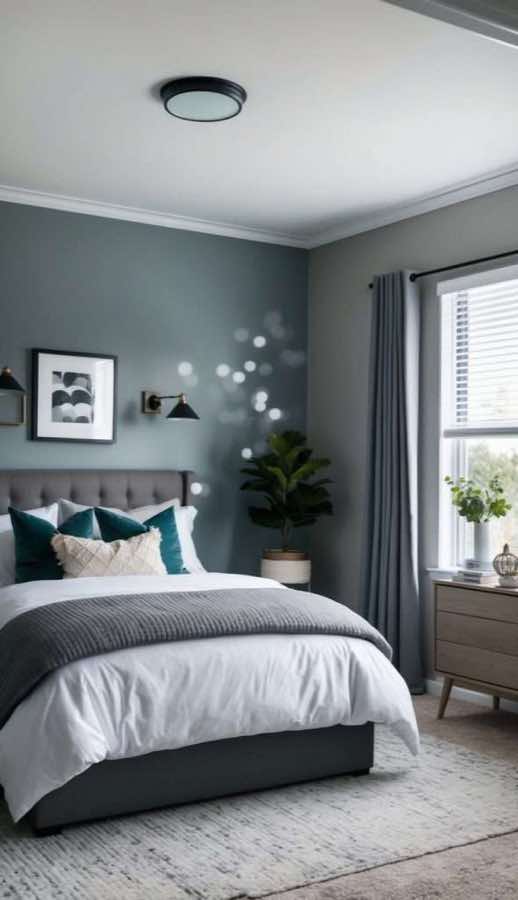
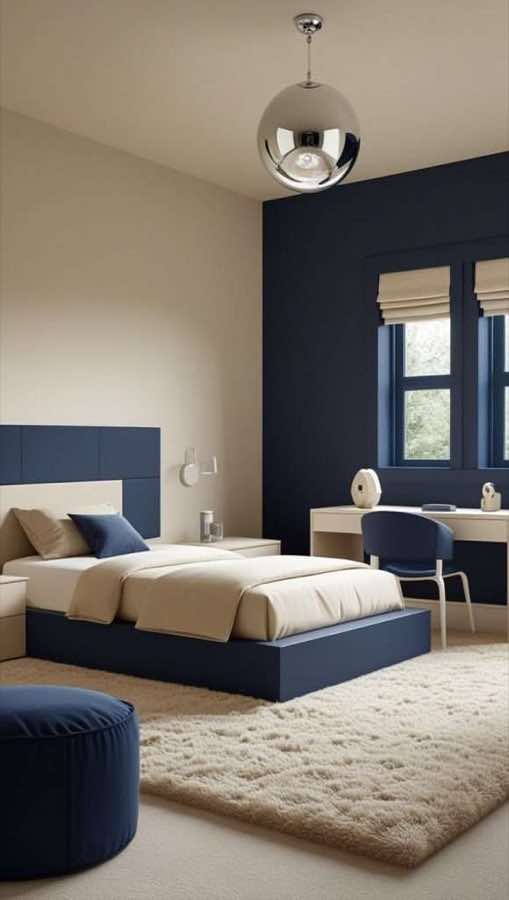
Many people are surprised to learn that carefully chosen dark colors can also work well if you balance them with plenty of light colors and reflective surfaces. Deep charcoal or navy accent walls paired with white bedding and bright lighting can create a cozy, luxurious feel.
Mirrors are one of the most effective tools for making small bedrooms look bigger. A large mirror opposite a window reflects natural light and creates the illusion of more space. Mirrored closet doors or furniture with reflective surfaces also help.
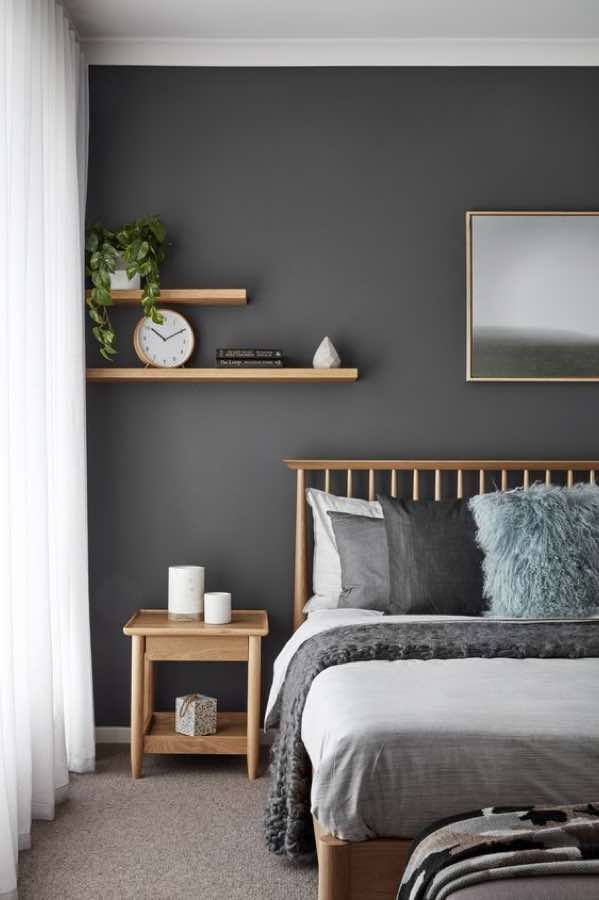
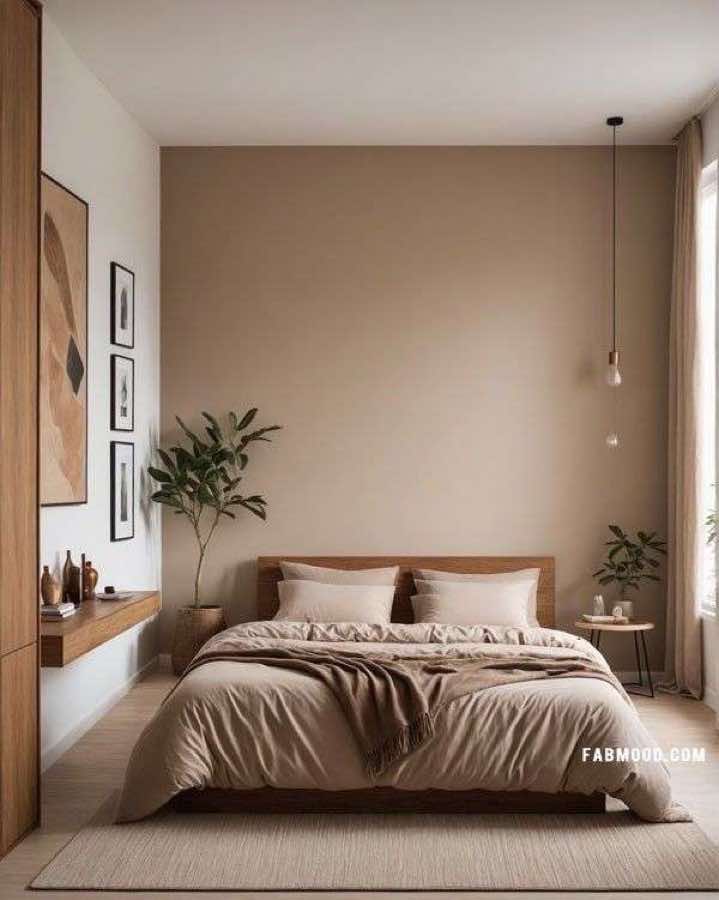
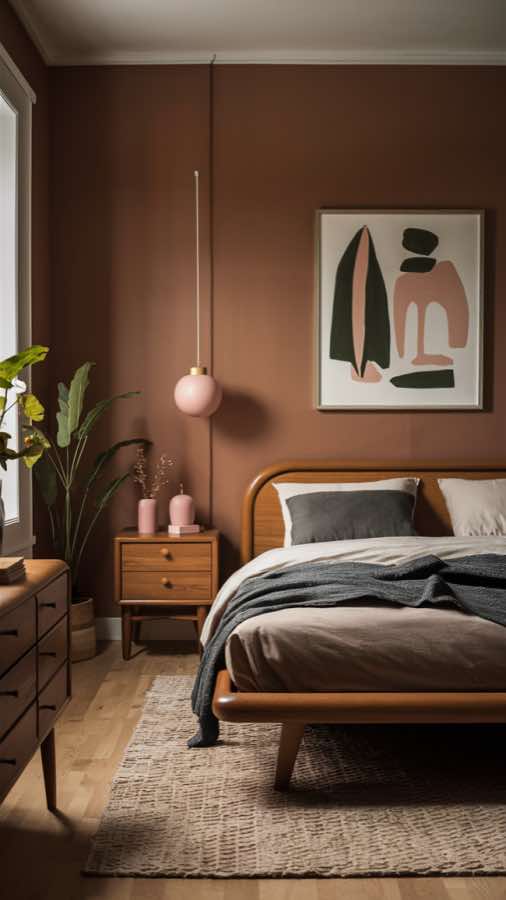
When choosing paint, consider both walls and ceiling. Painting the ceiling a bright white helps it recede and makes the room feel taller. If you are allowed to paint, use light colors on most walls and add personality through textiles and removable decor.
Proper lighting can completely transform a small bedroom. Relying only on overhead ceiling lights creates harsh shadows that make rooms feel smaller. Instead, use layered lighting.
Combine ambient lighting (a tall floor lamp or plug-in sconces), task lighting (bedside reading lamps), and accent lighting (LED strip lights behind the bed or inside shelves). Plug-in wall sconces are especially popular among renters because they require no hardwiring.
Natural light should be maximized. Keep window treatments light and airy. Sheer curtains or tension rods with lightweight fabrics allow maximum light while maintaining privacy.
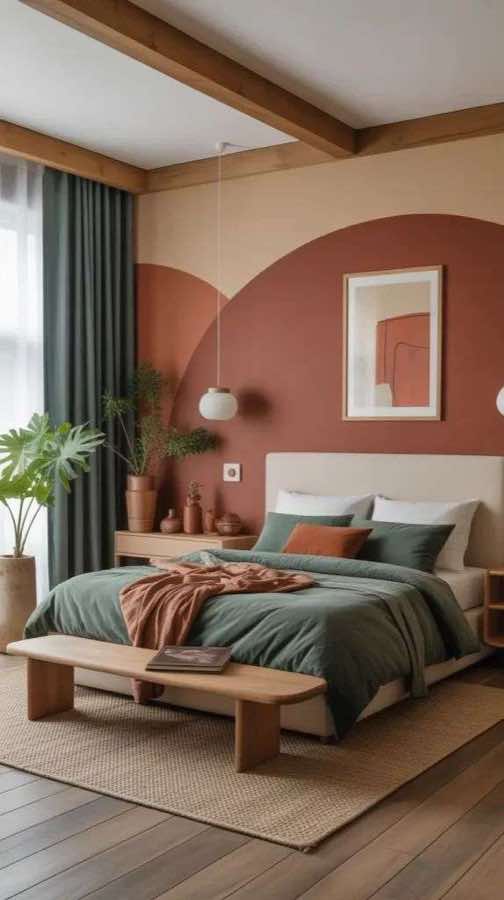
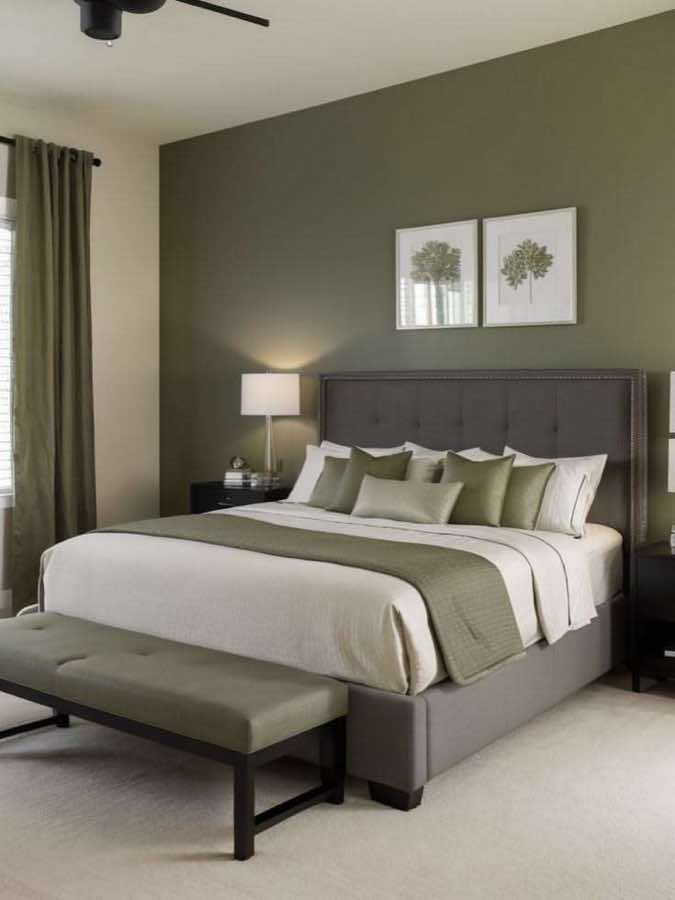
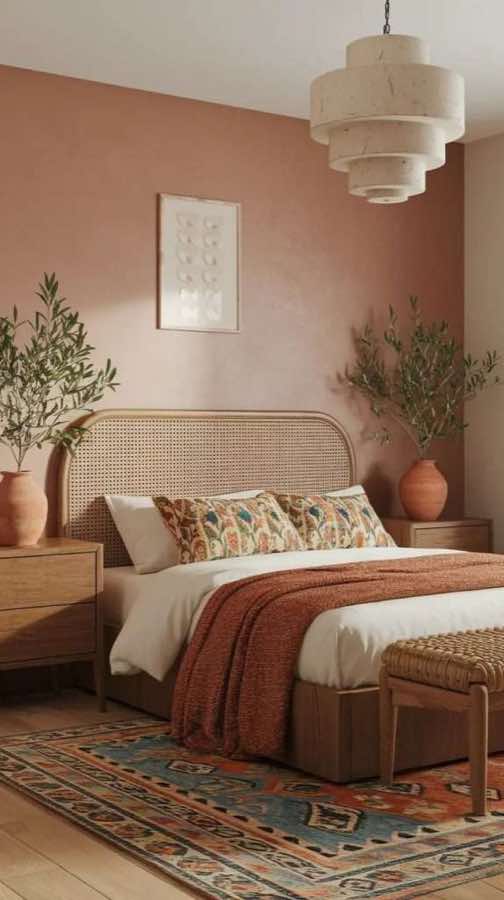
There are many ways to style a small bedroom. Minimalist styles focus on clean lines, neutral colors, and few high-quality pieces. Japandi and Scandinavian styles combine light wood tones, soft textiles, and plenty of natural elements.
For those who love warmth, boho and cozy styles use layered rugs, textured throws, macramé wall hangings, and lots of plants. Even in small rooms, you can create a gallery wall using renter-friendly methods like command strips or leaning frames.
Bedding is one of the easiest ways to change the entire mood of the room. High-quality sheets, duvet covers, and throw pillows in coordinated colors can make the bed the focal point. Adding a statement headboard (even a removable upholstered one) instantly elevates the look.
Plants bring life to small bedrooms. Choose low-light varieties such as snake plants, ZZ plants, and pothos. Hanging plants or small shelves with greenery save floor space while improving air quality.
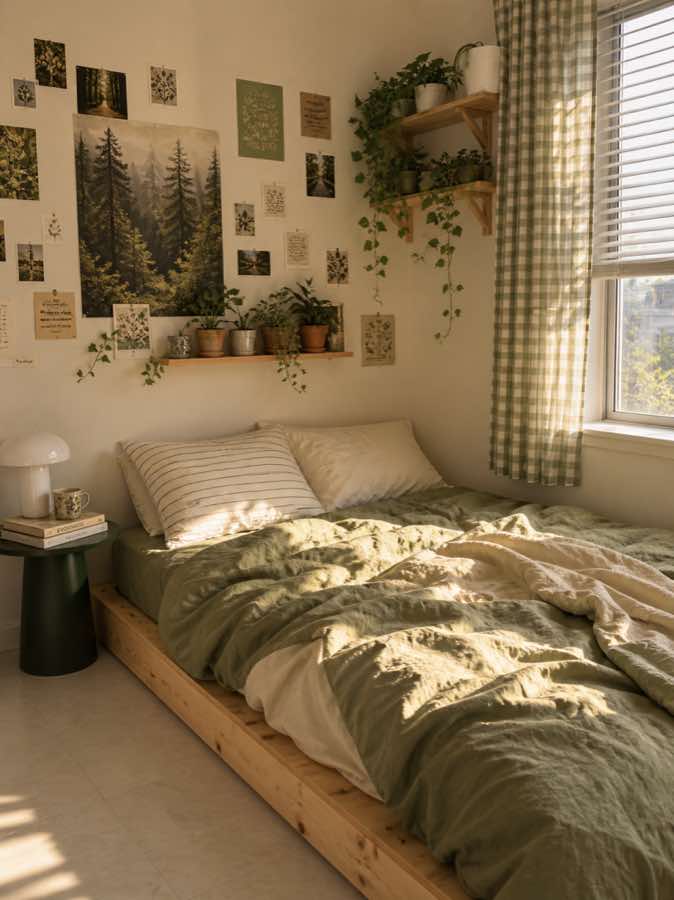
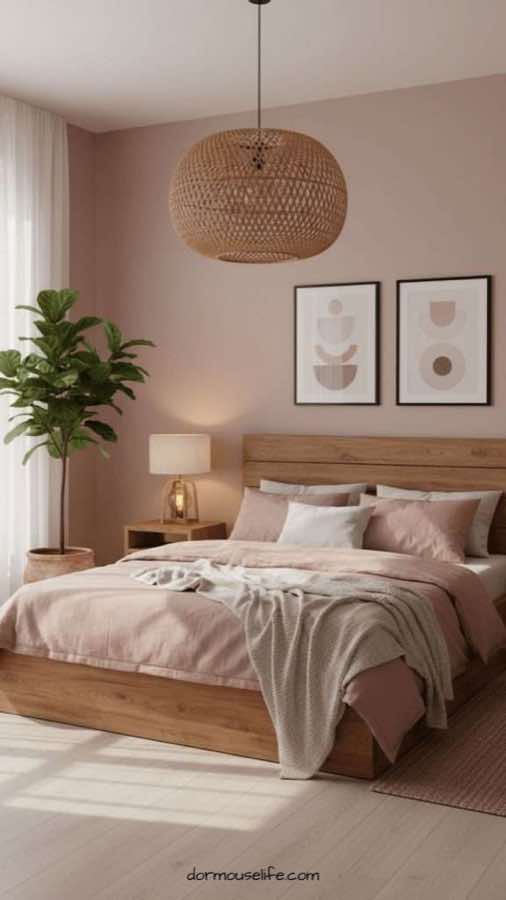
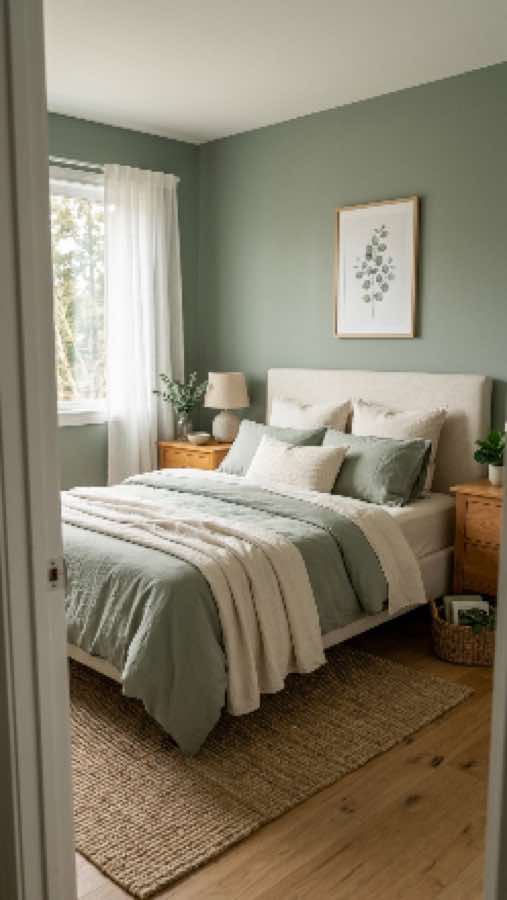
Renters face extra restrictions, but there are hundreds of creative solutions available. Use peel-and-stick wallpaper for accent walls, removable hooks for wall decor, and tension rods for curtains or closet organization.
Freestanding furniture is safer than anything mounted to walls. Look for lightweight pieces that are easy to move when you eventually relocate. Temporary headboards made from tapestries, leaning mirrors, or fabric panels are popular renter solutions.
Creating a beautiful bedroom doesn’t require a big budget. Many people achieve stunning results with IKEA hacks, thrift store finds, and simple DIY projects. Painting old furniture, adding new hardware, and styling with affordable accessories can transform the entire space.
Focus on high-impact, low-cost changes first: new bedding, a large mirror, strategic lighting, and organized storage. These small updates often deliver the biggest visual improvement.
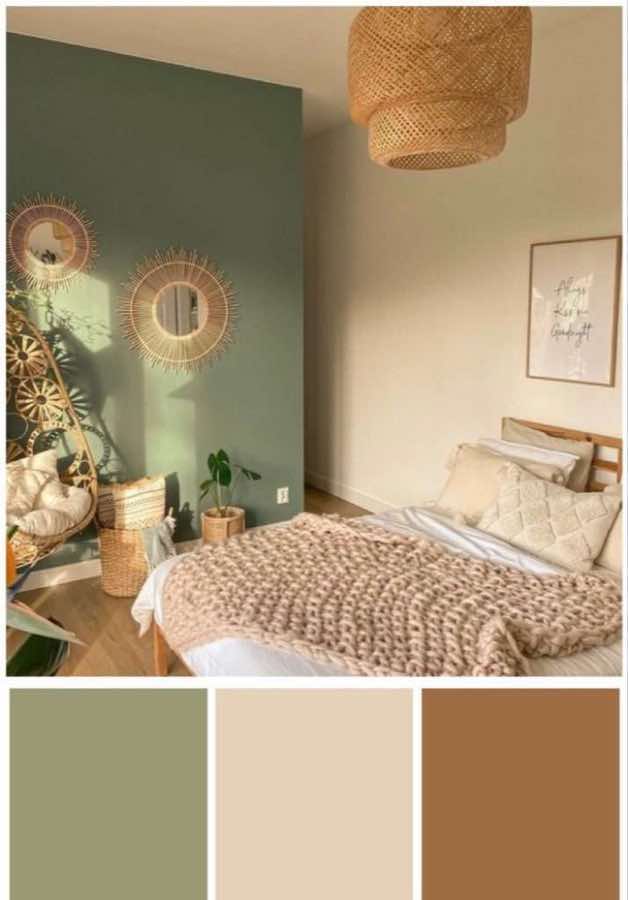
Many people unintentionally make their small bedrooms feel even smaller. Using furniture that is too large, choosing dark colors without enough lighting, blocking windows, and overcrowding surfaces with small decorative items are common errors.
Learning from these mistakes will help you create a more functional and visually pleasing room.
Your small bedroom has the potential to become a peaceful retreat you love spending time in. By applying smart layouts, choosing multifunctional furniture, maximizing storage, and styling thoughtfully, you can create a space that feels much larger than its actual size.
Start with one area — perhaps rearranging the layout or adding better storage — and build from there. Small consistent improvements lead to dramatic transformations over time.
This guide will be regularly updated with new ideas and trends for 2026 and beyond. Bookmark it and return whenever you want fresh inspiration for your small bedroom.
Explore more small bedroom content on ApartmentLiftUp:
What is your biggest small bedroom challenge right now? Feel free to share in the comments and our community will help brainstorm solutions.
Use AI to research apartment lift-up ideas without outsourcing the decision: build a precise brief, compare options, verify sources, and test changes in the real room.
Choose smart-home devices for renters by starting with one real friction point, checking compatibility and lease rules, and keeping a clear privacy and removal plan.
Make a small apartment more comfortable with practical guidance for sound, light, temperature perception, scent, textiles, and daily routines.
Use a practical before-and-after apartment makeover framework to document the real problem, test one change at a time, and measure whether the room works better.
Choose coordinated apartment materials and finishes by auditing fixed surfaces, limiting metals and wood tones, and building a practical fabric family.
Refresh a small apartment every season with practical changes to lighting, textiles, storage, plants, outdoor space, and comfort.

is the founder of ApartmentLiftUp.com. Passionate about small space living, she specializes in renter-friendly decor, smart storage solutions, and budget apartment makeovers. With years of hands-on experience in tiny apartments, she loves helping others create stylish homes no matter how small their space is.
Use AI to research apartment lift-up ideas without outsourcing the decision: build a precise brief, compare options, verify sources, and test changes in the real room.