
Budget & DIY Decor / August 31, 2026
Apartment Comfort Guide: Noise, Light, Temperature, and Textiles
Make a small apartment more comfortable with practical guidance for sound, light, temperature perception, scent, textiles, and daily…
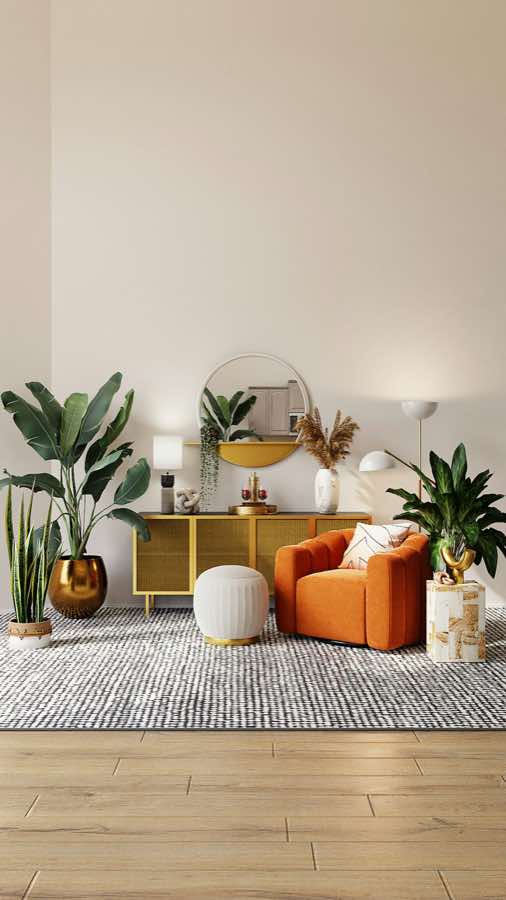 Apartment Lift Up / guide
Apartment comfort comes from more than visual style. Rugs, curtains, upholstered furniture, bedding, plants, scent, temperature control, and thoughtful placement can reduce the hard, echoing, overexposed feeling that many compact homes develop.
Short answer: improve comfort by softening sound, controlling light, choosing breathable or insulating textiles for the season, keeping scent subtle, and addressing the room’s actual hot, cold, bright, or noisy points. These changes can remain renter-friendly when they use portable pieces and do not block vents, exits, or building equipment.

Why sensory comfort deserves a place in apartment design
Photos mostly show color, furniture, and surfaces. Daily life also includes footsteps, traffic, echo, temperature changes, glare, cooking smells, dry air, and the feeling of hard floors underfoot. A room can look finished and still feel tiring to inhabit.
Comfort is not a single product category. It is the combined effect of the room’s surfaces, light, air, sound, and routines. A rug may soften footsteps and define the seating area. Curtains may reduce glare and make a room feel less exposed. A bookshelf against a shared wall may add storage and another layer between the room and the wall. The best comfort improvements solve more than one problem.
Reduce echo with soft materials
Hard surfaces reflect sound. Apartments with laminate, tile, glass, bare walls, and minimal furniture can feel louder even when the actual source is not especially strong. Add soft or irregular surfaces where they can do a useful job.
- Use a correctly sized rug in the living or sleeping zone.
- Add curtains or fabric shades when windows create glare and hard reflection.
- Choose upholstered seating instead of adding more bare wood or metal.
- Use bookshelves, baskets, and textiles to break up long flat walls.
- Keep a clear path to vents, heaters, windows, and exits.
Do not promise that a rug or curtain will soundproof a room. These changes can make a space feel less echoing, but they do not replace building-level acoustic work. Shared walls, doors, windows, and floors transmit sound in different ways.
Handle noise without damaging the apartment
Start by identifying the source and time. Footfall from above, traffic through a window, appliances, hallway activity, and sound through a shared wall require different responses. A thick curtain may help with light and some outside reflection, while a bookshelf or upholstered headboard may add a useful layer against a shared wall.
Keep the solution reversible. Use furniture placement, rugs, curtains, door seals only when permitted, and soft materials before considering permanent construction. Do not cover vents, tamper with building equipment, or make structural changes without qualified advice and written permission where required.
Noise notes to record
- Where the sound enters the room.
- When it is most noticeable.
- Whether the problem is impact, voice, traffic, appliance, or echo.
- Which movable piece could sit between the room and the source.
- Whether the change affects ventilation, access, or safety.
Control light for comfort and use
Glare and darkness can both make a small apartment uncomfortable. Observe the room at morning, midday, and night. Note where direct sun hits screens, where a window leaves the room exposed, and where the corners become too dark for reading or work.
Layer light rather than relying on one bright fixture. Use ambient light for general movement, task light for a specific activity, and a small low source to soften a corner. Warm light often feels more inviting in living and sleeping spaces, while task areas need enough brightness for the work being done.

Use curtains as comfort tools
Curtains can change privacy, glare, temperature perception, and softness at the same time. Measure the window and choose a rod or tension system that is allowed by the lease and appropriate for the surface. Keep the fabric clear of heaters and follow product care instructions.
Choose textiles by season and routine
Textiles are the easiest comfort layer to rotate. In warmer months, lighter cotton and linen can reduce visual and physical heaviness. In colder months, rugs, throws, layered bedding, and heavier curtains can make the apartment feel warmer. The right choice depends on the room, climate, washing routine, and personal comfort.
Buy less than the storage can hold. A second blanket is not an improvement if it has no home and creates a permanent pile. Use baskets, under-bed storage, or a labeled linen area where the pieces can be returned after use.
| Comfort issue | First response | What to verify |
|---|---|---|
| Echo | Add a rug, curtain, textile, or upholstered piece | Edges, cleaning, and clear walking routes |
| Glare | Adjust curtains, shade, screen angle, or task light | Lease rules and clearance from heat sources |
| Cold feeling | Layer bedding, rugs, curtains, and warm light | Do not block vents or create trip points |
| Clutter stress | Move storage closer to where items are used | Access, dimensions, and daily reset effort |
Use scent carefully
Scent can influence how a home feels, but it is also personal and can affect neighbors, pets, children, or people with sensitivities. Keep it subtle and avoid treating fragrance as a substitute for cleaning, ventilation, or addressing a damp or persistent odor.
Use a small candle, diffuser, fresh plant, or other product only as appropriate for the room and household. Read safety instructions and keep flames, heat, and liquids away from fabrics, children, pets, and unstable surfaces. A clean entryway, washable textiles, and good airflow usually create a stronger baseline than a stronger fragrance.

Manage temperature perception
Textiles change how a room feels even when the thermostat does not change. Curtains can make a window feel less exposed. A rug can make hard flooring feel more welcoming. Layered bedding supports different sleeping preferences. Lighter fabrics can make summer feel less visually heavy.
Do not use decor to hide a serious heating, cooling, damp, or ventilation problem. If a room has persistent moisture, unusual heat, poor airflow, or a safety concern, contact the property manager or an appropriate professional instead of covering the symptom with textiles.
Comfort by room
Living room
Use a rug to anchor seating, curtains to control glare, and one or two lamps to create a comfortable evening level. Add soft materials where the room echoes and keep the coffee table clear enough for daily use.
Bedroom
Prioritize bedding, curtains, a calm bedside light, and a clear landing surface. A rug or soft runner can make the first step more comfortable, but it should lie flat and keep the route clear.
Kitchen and bathroom
Choose washable mats, practical towels, and easy-to-clean surfaces. Do not place textiles where they can become wet, slippery, overheated, or difficult to dry.
Workspace
Start with chair comfort, screen glare, task lighting, and cable control. Softness should reduce echo without creating a dusty or distracting surface around the work area.
Build a low-cost comfort reset
- Open or adjust curtains and observe the light at the time you use the room.
- Move one piece of furniture away from a shared wall or blocked route if possible.
- Add one washable or flat textile where sound or cold flooring is most noticeable.
- Replace harsh single-source light with a useful task or low lamp.
- Clear one surface and move daily items closer to their point of use.
- Check for heat, moisture, ventilation, and safety issues that decor cannot solve.
- Review the room after a week rather than judging it immediately.

Comfort decisions should follow the daily routine
A comfort change is useful when it meets the way the room is actually occupied. A rug beside a reading chair is more valuable than a rug chosen only because it fills an empty rectangle. Curtains matter most where glare, privacy, or temperature perception is a problem. A basket belongs near the point where blankets, shoes, or daily items collect, not in a corner that looks tidy but is never used.
Walk through the apartment during the least comfortable part of the day. Notice the first thing that makes you want to leave the room or change your position. Is the chair too close to a noisy wall? Does afternoon sun hit the screen? Does the floor feel cold in the morning? Does the entryway turn into a pile when coats arrive? Start there.
Comfort and maintenance belong together
Every soft material needs a cleaning and storage plan. Choose washable covers where spills are likely, flat rugs where doors open, and containers that can be reached without moving three other things. A scented product that requires constant replacement may be less comfortable than a clean, well-ventilated room. A large textile that cannot dry properly can create a moisture concern rather than solve one.
Renter-safe comfort also means keeping the restoration plan visible. Save the original hardware, record where portable pieces belong, and inspect adhesive or tension products according to their instructions. Do not cover a building problem with decor. Persistent damp, unsafe heat, poor ventilation, or serious noise should be reported through the correct property or professional channel.
Make comfort changes in the right order
- Identify the uncomfortable moment and the likely source.
- Remove one object or obstacle that makes the problem worse.
- Test a movable change such as furniture placement or a curtain position.
- Add one soft material or light source that supports the room’s use.
- Live with the change through a normal week.
- Keep the change only if it improves comfort without creating maintenance work.
Use a short comfort audit at the end of the week. Rate the room’s light, sound, temperature perception, softness, scent, and ease of reset from poor to comfortable. The rating is not a scientific measurement, but it forces a decision about what improved and what still needs attention.
Keep the highest-value change and remove any product that added work without improving the experience. A calm apartment is not the one with the most layers. It is the one where the layers support the people, routines, and limits of the home.
Comfort should be judged at the point of use. Sit in the chair, work at the desk, step beside the bed, and enter through the door. If the room feels good only from the camera angle, the plan is incomplete. Make the adjustment that improves the lived moment.
Small changes become more valuable when they lower friction every day. Choose the comfort improvement you can maintain, test it in real use, and let the apartment become softer without becoming harder to manage.
Keep the final plan simple enough to repeat when the season or routine changes.
That is the standard: quieter, softer, easier to use, and still simple to maintain.
Apartment Comfort Guide: Begin With the Daily Moment
This apartment comfort guide starts with the moment that feels least comfortable. Observe the light, sound, temperature perception, scent, and texture before choosing a product.
Frequently Asked Questions
Can rugs really make an apartment quieter?
Rugs and other soft materials can reduce reflection and echo, but they do not soundproof a building. Use them as one part of a comfort plan and keep edges flat and routes clear.
What makes a bedroom feel more comfortable?
Start with bedding, light control, a calm lamp, and uncluttered surfaces. Add a rug or curtain when it improves comfort without creating a maintenance or trip problem.
How can renters improve comfort without permanent work?
Use portable furniture, rugs, curtains, bedding, baskets, plants, and lamps. Check the lease and product instructions before using adhesive, tension, or mounted solutions.
Should I use candles or diffusers in a small apartment?
Only if they are appropriate for your household and used according to safety instructions. Keep scent subtle and address cleaning, ventilation, or moisture issues first.
Useful Sources And Verification
This article offers general home guidance. Verify lease rules, product instructions, and safety requirements for your building before acting.